

Food Plot Seed
-
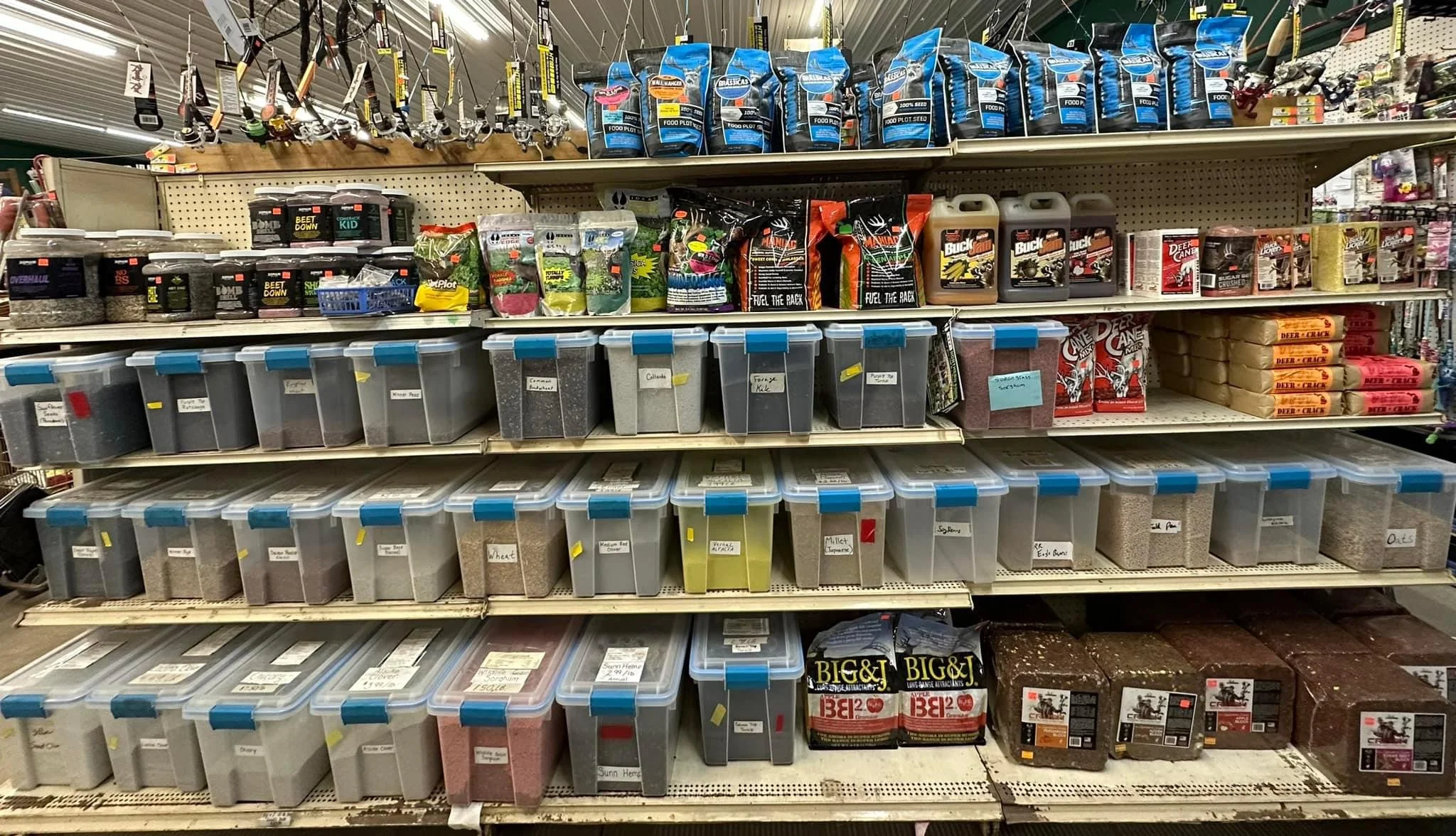
Food Plot Seed
Over 25 different food plot seeds !! By the pound or by the bag. Mix up your own recipe and make your next hunt unforgettable !
-
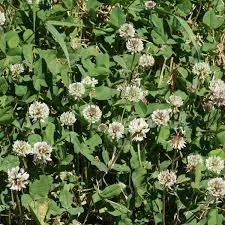
Ladino Clover
Ladino Clover is an excellent perennial, high-protein, and winter-hardy white clover for Michigan, lasting 2–5 years. It thrives in fertile, moist, well-drained soils, with optimal planting in late summer (Aug–Sept) or spring (Feb–Apr) at a rate of 2–5 lbs/acre and a shallow depth of 1/8 to 1/4 inch.
Key Planting Details for Michigan
Best Time to Plant: Late summer (August–early September) is ideal to avoid weed competition, though spring (after frost) is also effective.
Frost Seeding: Ladino can be effectively frost-seeded (broadcast on top of snow/frozen ground) in late winter or early spring.
-
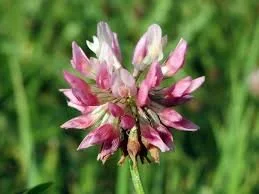
Alsike Clover
Alsike Clover is an excellent, hardy perennial food plot choice for Michigan, particularly for wet, acidic, or poorly drained soils where other clovers fail. It thrives in full sun, lasts 3–5 years, and reaches 24–36 inches in height, offering high-protein,,, calcium-rich forage.
Key Planting Details for Michigan
Seeding Rate: 6–12 lbs per acre (8–12 lbs is typical for broadcast, 6–8 lbs for solid, 7–10 lbs for drilled).
Planting Depth: 1/8 – 1/4 inch; should be planted very shallow.
Timing: Spring (April-May) or late summer/early fall (must be 6+ weeks before the first frost).
-
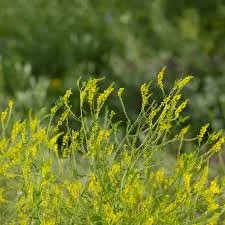
Yellow Sweet Clover
Yellow Sweet Clover is an excellent, hardy biennial food plot option for Michigan, thriving in well-drained soils with a pH of 6.5 or higher. Plant at a rate of 10–20 lbs/acre, 1/4 to 1/2 inch deep in spring or fall. It acts as a great, high-growth, drought-tolerant, soil-improving cover crop (4–6 ft tall) that attracts deer, pollinators, and fixes nitrogen.
Key Planting Information for Michigan:
Best Time: Early spring (just after last frost) or late summer/fall.
Soil Type: Prefers well-drained, fertile soil, though it tolerates poorer, lime-rich soils.
Seeding Rate: 10–15 lbs per acre (broadcast), or up to 20 lbs if not drilled.
-
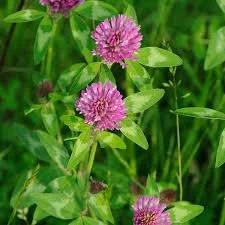
Red Clover
Medium Red Clover is an excellent, versatile, and fast-establishing perennial (2–3 years) for Michigan food plots, offering high protein for deer. It thrives in diverse soil types, including slightly acidic and wet conditions. Plant at 12–15 lbs/acre (broadcast) or 8–12 lbs/acre (drilled) at a shallow 1/4 to 1/2 inch depth, ideally in early spring or late summer.
Key Planting Information for Michigan:
Planting Times: Spring (March–May) or Late Summer/Fall (August–September).
Frost Seeding: Ideal for Michigan in January–March; broadcast onto frozen ground.
Seeding Rate:
Alone: 12–18 lbs per acre.
In Mixes: 6–10 lbs per acre.
-
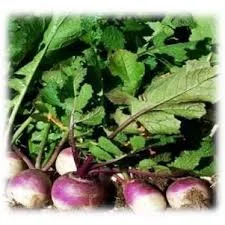
Purple Top Turnip
Purple Top Turnips are an excellent, fast-growing (55-90 days) brassica for Michigan, ideal for late-summer planting (mid-July to early August) to provide high-protein fall and winter forage. They prefer well-drained, fertile soil (pH 6.0-7.5) and are best planted at 5-10 lbs/acre (broadcast) at a shallow 1/4-inch depth.
Key Information for Michigan:
Planting Time: Late July to early August is best for fall hunting plots, allowing 60-90 days before hard frost, which increases the sugar content in the bulbs.
Seeding Rate: 5-6 lbs per acre (broadcast); 3-4 lbs per acre (drilled). In mixtures, 1-2 lbs per acre is sufficient.
-
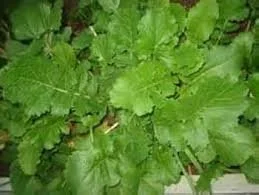
Seven Top Turnip
Seven Top Turnips are an excellent, fast-growing (45-65 days) brassica for Michigan food plots, prized for producing abundant, high-protein leafy forage (16-22 inches tall) rather than large tubers. Ideal for late summer planting (July-August) to attract deer in fall, they are frost-tolerant and hardy in northern climates.
Planting Details for Michigan:
Best Time: Late summer is ideal for fall hunting (July to August), allowing the plants to mature as temperatures drop, which increases sugar content and attractiveness to deer.
Seeding Rate: 2-5 lbs per acre for pure stands; 1-2 lbs per acre when mixed with grains like oats or rye.
-
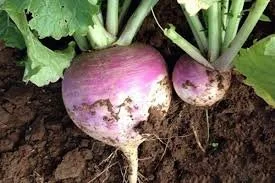
Purple Top Rutabaga
Purple Top Rutabaga is an excellent, cold-hardy, high-yielding, and nutritious (sugar-rich) food plot option for Michigan deer, particularly as a late-season attractant. They require 90-110 days to mature, with a seeding rate of 2-3 lbs/acre (mix) or 6 lbs/acre (monoculture), sown 1/8 to 1/2 inch deep in early to mid-summer.
Key Details for Michigan Food Plots
Planting Timing: For fall hunting, plant in mid-to-late summer (early June in Northern MI, July in Southern MI) to ensure maturity, as they are a 90–110 day crop.
Seed Depth: Plant shallowly at 1/8 - 1/2 inch deep.
Seeding Rate: 2–3 lbs per acre in mixes (e.g., with turnips, oats) or 6–9 lbs per acre when planted alone.
-
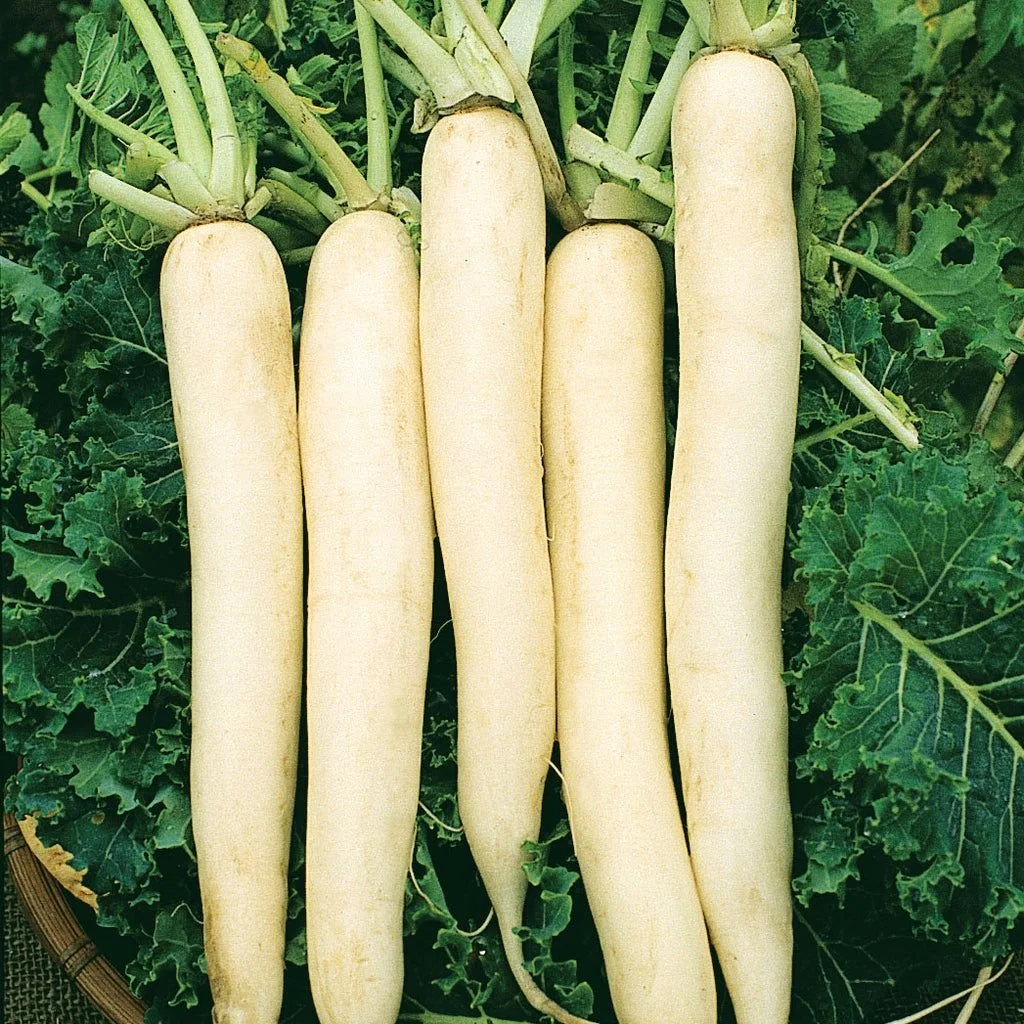
Daikon Radish
Daikon radishes are ideal for Michigan food plots, offering fast-growing, high-tonnage tonnage (10-12 tons/acre) for late fall/winter foraging. Plant in early August (4-6 weeks before first frost) at 10-12 lbs/acre (broadcast) or 6-8 lbs/acre (drilled) at 1/4 - 1/2 inch depth. They thrive in well-drained soil with a pH of 5.5-7.5.
Key Info for Michigan:
Planting Timing: Early August is best for Michigan to ensure max tuber growth before hard freeze.
Seeding Rate: 10-12 lbs per acre (broadcast), 6-8 lbs per acre (drilled).
Seeding Depth: 1/4 to 1/2 inch is critical; do not plant too deep
-
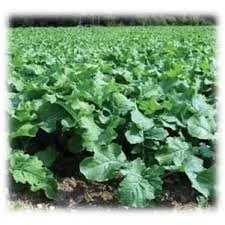
Dwarf Essex Rape (canola)
Dwarf Essex Rape (Canola) is an excellent, cold-tolerant, and high-protein (18-23%) fall food plot option for Michigan, thriving when planted in late July to early August. It provides fast-growing forage that becomes highly palatable after the first frost, often lasting into winter. Broadcast at 6-10 lbs/acre (3-6 lbs in mixes) at a 1/4 inch depth.
Key Planting Information for Michigan:
Best Planting Time: Late July through early August is ideal for Michigan, allowing for maximum tonnage before the first frost.
Seeding Rate: 6-10 lbs per acre for a standalone plot; 3-6 lbs per acre when mixed with other brassicas, such as turnips or radishes.
Planting Depth: 1/4 to 1/2 inch, ensuring good soil-to-seed contact.
-
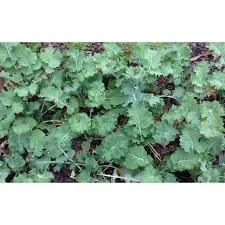
Dwarf Siberian Kale
Dwarf Siberian Kale is an excellent cold-hardy, high-protein, and nutritious forage option for Michigan deer food plots, often staying green well into winter after heavy frosts. It is best planted in late summer (early August) for fall hunting, or in early spring, at a rate of 8-12 lbs/acre.
Planting Timing (MI): For fall food plots, sow seeds late July through mid-August, about 8-10 weeks before the first hard frost. It can also be planted in early spring.
Seeding Rate:8-12lbs per acre for broadcast or drilled, 1/4 - 1/2 inch deep.
-
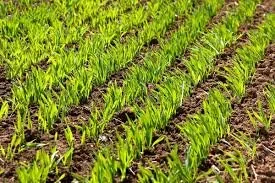
Wheat
In Michigan, winter wheat is an ideal, low-cost, high-protein (15%-25%) food plot seed for attracting deer from fall through winter. Plant in late August to mid-September at 80–120 lbs/acre (1–2 inches deep) to ensure strong establishment before frost. It works best in well-drained soils and can be mixed with crimson clover or brassicas.
Key Michigan Wheat Planting Info
Planting Window: Late August to mid-September is ideal for Michigan to allow for proper rooting.
Seeding Rates:
Broadcast Alone: 120 pounds per acre.
Drilled: 80 pounds per acre.
In Mixes: 50 pounds per acre.
-
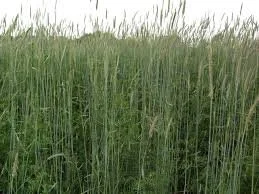
Rye
Winter rye (cereal rye) is an exceptional, cold-hardy food plot staple in Michigan, ideal for late-season attraction (fall through spring) due to its ability to grow in low temperatures and poor soils. Plant in late August to mid-September, ideally around Labor Day, at a rate of 100-150 lbs/acre (or 1-2 bushels) for best results. It acts as a hardy cover crop, providing early green-up in spring, and is often used to mask other plantings.
Key Planting & Management Information
Planting Time: Late August to late September is optimal, though it can be planted as late as mid-November.
Seeding Rate: Typically 100–150 lbs per acre (drilled or broadcast). A 50-lb bag covers about 1/2 acre
-
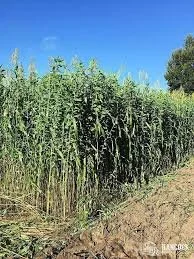
Egyptian Wheat
Egyptian Wheat is a highly effective, fast-growing (100–110 days) annual screening cover for Michigan food plots, reaching 7–12 feet in height to block deer visibility. Plant in early June (after frost) at 15–20 lbs/acre, requiring high nitrogen and well-drained, fertile soil. It acts as a temporary 1-3 year screen, though it may flatten by late November.
Key Planting and Management Details for Michigan:
Planting Timing: Early June is best to ensure full maturity before winter. Avoid planting too early in cold, wet soil.
Seeding Rate: Broadcast or drill at 10–20 lbs per acre.
-
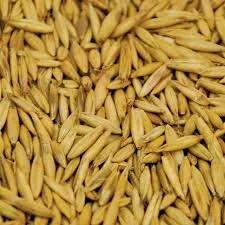
Oats
Oats make an excellent, high-attraction fall food plot for Michigan deer, best planted from late July to mid-August for maximum tender growth before the first hard freeze. Use a seeding rate of 100–125 lbs/acre (broadcast) or 80–100 lbs/acre (drilled) at a depth of .5-1.5 inches, often blended with clover or winter rye for season-long forage.
Key Tips for Michigan Oat Food Plots
Best Planting Time: Late July through mid-August is ideal to ensure the oats reach the "boot stage" (tender, high-sugar) by late October, which is prime time for attracting bucks.
Seeding Rates & Depth:
Broadcast: 100–125 lbs per acre, followed by covering the seed (cultipacking is best).
Drilled: 80–100 lbs per acre.
-
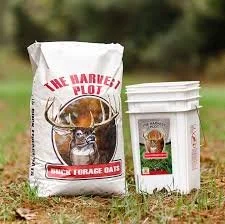
Buck Forage Oats
Buck Forage Oats (BFO) are a highly palatable, winter-hardy oat ideal for Michigan fall food plots, typically planted in late summer (early-to-mid August) at a rate of 100-120 lbs per acre. They provide high-protein forage that stays green through the hunting season, often continuing to attract deer after the first frost.
Key Information for Michigan:
Planting Time: Late summer to early fall, specifically the last week of August is recommended for peak attraction in Oct/Nov.
Seeding Rate: 100–120 lbs per acre (drilled or broadcast).
-
Buckwheat
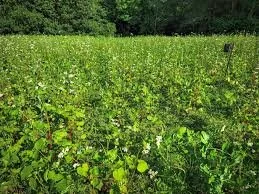
Buckwheat is an excellent, fast-growing summer food plot crop planted from late May through July to suppress weeds, improve soil, and provide early, highly palatable forage for deer. It matures in 60-90 days, with 50-75 lbs/acre required if planted alone (3/4-inch depth). It is best used as a green manure, providing a nitrogen-fixing, weed-smothering crop before planting fall plots.
Key Michigan Buckwheat Info:
Planting Time: After the last frost in spring, through July. For a Sept 1st fall, plant in early June.
Soil Type: Prefers well-drained soil, pH 5.5-7.0, but adaptable.
Seeding Rate: 50-75 lbs/acre alone; 5-35 lbs/acre in mixes.
-
Millet
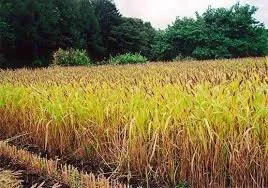
Millet is an excellent, fast-growing (60-70 days) warm-season annual for Michigan food plots, ideal for attracting deer, turkey, and doves, with specific types favoring ducks. Plant in late May to early July when soil temperatures reach 55-70 degrees, typically at a depth of 1/4 to 1/2 inch, using 25-40 lbs/acre, favoring well-drained soils.
Planting Tips for Michigan
Timing: Plant late May through early July for best results, ensuring soil is warm.
Site Prep: Soil should be well-drained with a pH of 5.5-7.0.
Seeding Rate: Broadcast or drill at 25-40 lbs/acre, or lower for mixes.
Fertilizer: Apply ~200 lbs/acre of 12-12-12 or follow soil test results.
Coverage: Lightly cover seed (1/4 to 1/2 inch) as deep planting reduces germination.
Waterfowl Strategy: For ducks, plant in mid-July through early September (about 75 days before the first expected frost) to ensure mature seed during migration
-
Wildlife Grain Sorghum
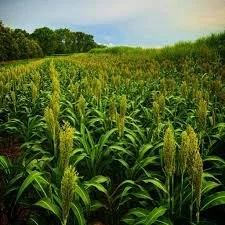
Wildlife grain sorghum (milo) is an excellent, drought-resistant food plot choice for Michigan, providing, cover, and fall/winter feed for deer, turkey, and pheasants. Plant in late spring/early summer (May-July) when soil temperatures exceed 60 degrees F.
Key Planting Information for Michigan:
Best Time to Plant: Late May through early July, ensuring enough time for 90–120 days of maturity before the first frost.
Soil Type & pH: Thrives in a variety of soils, ideally pH 5.8 to 6.8, and prefers well-drained locations.
Seeding Rates: Broadcast at 10–15 lbs per acre; drill at 6–10 lbs per acre
-
Sorghum Sundangrass
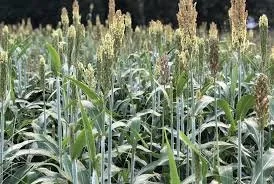
Sorghum-Sudangrass for Michigan food plots is a, fast-growing, warm-season annual ideal for summer screening and, when left standing,, late-season deer bedding cover, with optimal planting from late May to early June. It requires soil temperatures above 60 degrees typically two weeks after corn planting—and performs best with a 20–30 lb/acre drilling rate at 3/4” –1 inch depth in fertile, 6-7.5 pH soils.
Key Planting Information for Michigan
Planting Timing: Late May to early July. Must be planted when soil temperatures are consistently above 60-65 Degrees
Site Selection: Prefers well-drained soils, but is highly drought-tolerant compared to corn.
Seeding Depth & Rate: Plant at a depth of 3/4”-1”
Drilled: 15–25 lbs/acre.
Broadcast: 30–40 lbs/acre.
-
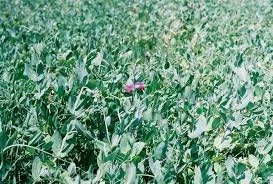
Austrian Winter Pea
Austrian Winter Peas are excellent, high-protein (20-30%) cool-season annuals for Michigan deer food plots, best planted from mid-August to early September in well-drained, fertile soil (pH 6.0–7.0). They are highly attractive, often used for bowhunting, and should be planted 1/2 to 1 inch deep at 50-75 lbs/acre.
Key Planting & Management Information:
Best Time to Plant (Michigan): Mid-August to early September (Zone 5/6) to allow establishment before deep frost.
Seeding Rate: 50-60 lbs/acre (broadcast), 30-40 lbs/acre (drilled). In blends, 25-50 lbs/acre is common.
-
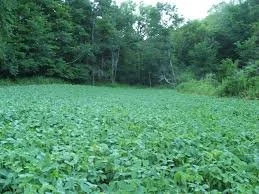
Soybean
Soybeans provide high-protein summer food and late-season grain. They can be overseeded with cereal grains like rye or oats in late summer for increased attraction. In Michigan, plant soybeans for food plots in May or early June, aiming for at least 2+ acres to prevent over-browsing by deer. Use Roundup Ready or specialized forage soybeans (e.g., Eagle Seed, Real World) at a rate of 50-70 lbs/acre, planting 1 to 1.5 inches deep in a firm seedbed.
-
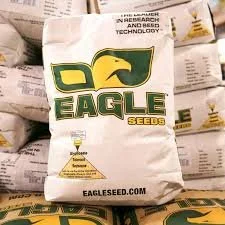
Eagle Beans
Eagle Seed forage soybeans (e.g., Big Fellow, Large Lad, Wildlife Manager's Mix North) are high-protein, glyphosate-tolerant, and grow up to 7 feet tall, making them ideal for Michigan food plots. Plant 50–80 lbs per acre (drilled or broadcast) at 3/4–1 inch depth in late May or June when soil is warm.
Eagle Bean Information for Michigan:
Planting Timeline: Plant from late April through June in Michigan, ensuring soil temperatures are at least 62 degrees or better.
Seeding Rate: Aim for 50–80 lbs per acre (approx. 140,000 seeds per bag). If broadcasting instead of drilling, increase rates to 75–80 lbs per acre for better coverage.
-
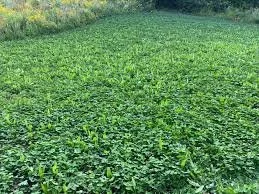
Alfalfa
Alfalfa -Deer often prefer a high-quality alfalfa stand over soybeans or clover. It provides lush, palatable browse from early spring through December, and deer will even paw through snow to reach it.
Key Alfalfa Food Plot Info for Michigan
Soil Preparation: Soil must be well-drained, as alfalfa does not thrive in heavy, wet clay. A soil test is crucial to ensure a pH of 6.5–7.0.
Planting Depth: Plant at a depth of 1/4 inch into a firm, fine seedbed.
Seeding Rate: 18-22 lbs/acre is recommended.
Timing: Spring (April 1–June 1) or late summer (August 1–Sept 15).
-
Chicory
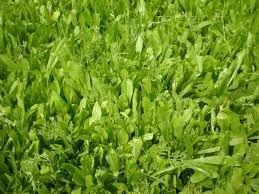
Chicory is an excellent, drought-tolerant perennial for Michigan food plots, offering high-protein forage from April through October and lasting 5-7 years with proper management. It thrives on a soil pH of 5.5–7.0, with a planting depth of 1/8 -1/4inch, ideally seeded at 3-5 lbs per acre, or 1-2 lbs when mixed with clover.
Planting Details for Michigan
Best Time: Early Spring (allows root development before summer) or Late Summer/Early Fall (late July through August).
Soil Preparation: Requires a firm, well-drained seedbed.
Planting Depth: Very shallow, only 1/8 to 1/4 inch deep. Use a cultipacker to ensure good seed-to-soil contact.
-
Switchgrass (Cave In Rock)
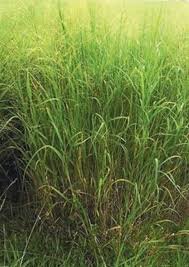
Cave-in-Rock (CIR) switchgrass is an ideal, native, perennial screening and bedding cover for Michigan, typically planted at 5-10 lbs/acre in spring (May-June) or via frost seeding (Feb-March). It thrives in full sun with a 1/4" to 1/2" planting depth, growing 3–6+ feet tall in 2-3 years, and prefers soil pH 5.5-7.0.
Key Information for Michigan Switchgrass
Planting Rate: 5-10 lbs per acre (drilled) or 8-10 lbs/acre (broadcast).
Timing: Late spring (May–June) when soil is 60 degrees or less is best, or frost-seeding (Feb-March).
Planting Depth: 1/4 to 1/2 inch max; shallow seeding is critical.
Establishment: Slow in the first year; requires strict weed control (e.g., spraying with atrazine/glyphosate).
Soil Requirements: Full sun is mandatory. Prefers well-drained soils, though it adapts well to varied conditions.
-

Domain Outdoors
Check out our Wide Variety of Domain Outdoors pre mixed food plot kits. Domain Outdoors provides high-quality, specialized food plot seeds designed for rapid establishment, high attraction, and improved soil health.
Check out the different blends here :